Opening activity as a freelancer in Portugal is usually straightforward.
But once activity is open, you need to make sure the setup is correct, understand what invoices you will need to issue, know what to set aside, and avoid small mistakes that later become expensive or difficult to fix.
But most of this is manageable when addressed early.
Opening activity is only the starting point
Many freelancers assume that once activity is open, everything is set up but it is not.
Opening activity simply puts you on the tax system. After that, a lot of tax related questions can be asked:
- Do you need to charge VAT?
- Will Social Security apply straight away?
- What should you set aside for tax?
- What expenses are deductible from my gross turnover?
- What do you need to issue to clients?
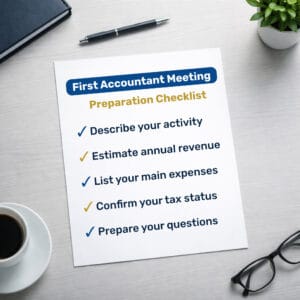
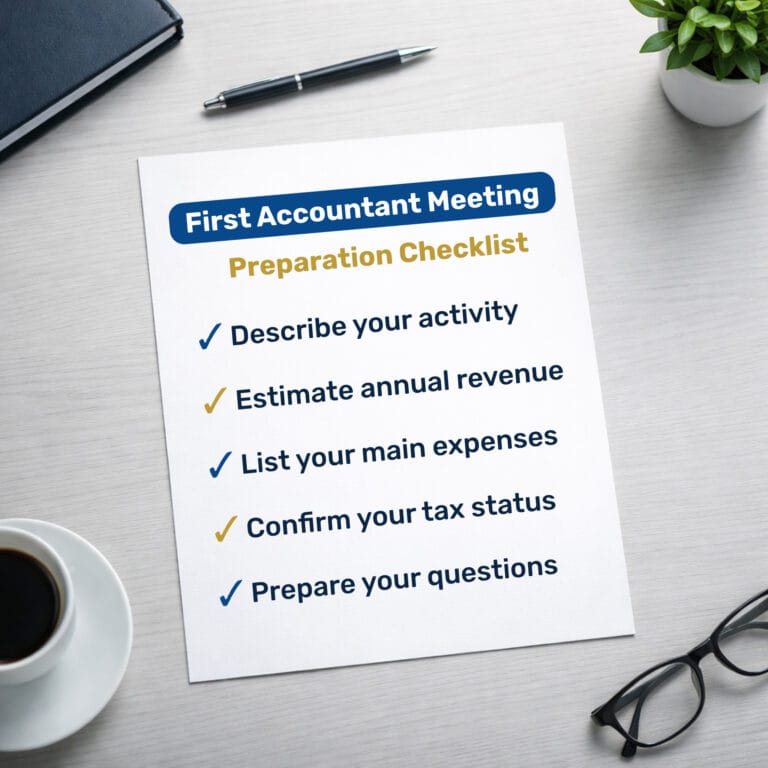
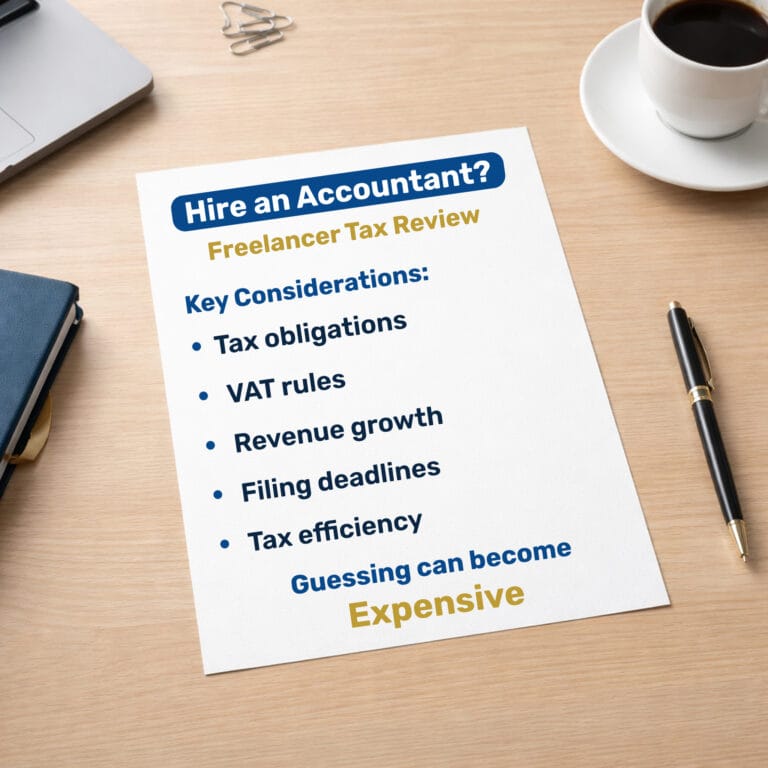
- Do you actually need an accountant yet?
What you should check
1) Make sure the activity was opened correctly
This matters a lot.
Your activity code, expected turnover, VAT position, and activity start date all affect what the tax authority categorises your activity as. If any of these was set up incorrectly, it can create confusion around invoicing, tax treatment, or reporting obligations.
If you opened activity quickly without being fully sure of the options selected, it is worth reviewing the setup early.
This is much cheaper and easier than correcting mistakes later.
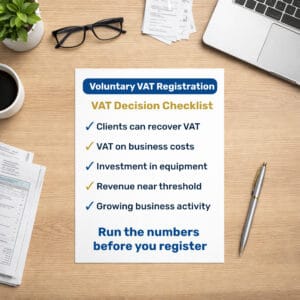
2) Understand whether you need to charge VAT
Not every freelancer needs to charge VAT from the start.
But some freelancers issue invoices without properly understanding their VAT position.
Your position depends on:
- how the activity was set up
- the type of work involved
- your expected revenue
- whether any exemption applies
This should be clear from the beginning because invoicing incorrectly can create avoidable problems.
3) Check what happens with Social Security
A common mistake is to focus only on income tax and forget Social Security altogether.
Most freelancers do not pay Social Security contributions during their first year of activity, so it is not a practical concern on day one — in the same way income tax is — but that does not mean it should be ignored.
You need to know:
- when Social Contributions will become due
- when reporting becomes relevant, and
- what future contributions will look like
This is an important cash flow consideration. A freelancer who only thinks about invoicing and income tax can easily underestimate what needs to be set aside.
4) Start setting money aside from the beginning
This is one of the most important steps.
Even when income is still modest, it is sensible to separate part of each payment received and keep it aside for future tax and contribution obligations.
This does two things:
- avoids cash flow pressure later, and
- makes the activity feel financially controlled from the start
Do not treat gross income as available income.
What you need to stay on top of
Once activity is open, your priorities are usually the following.
Issue documents correctly
Especially if you are providing services, you must ensure that the correct documents are issued properly and at the right time.
That includes understanding:
- when to issue an invoice — when the service is completed or the payment becomes due
- whether a receipt is also required — when the client has paid your invoice
- what tax treatment applies — depends on the type of service, the client’s location and your VAT status
Keep a basic record of income and costs
Even where organised accounting is not required, you should still keep your own clear record of all business income and expenses.
Good records make everything easier:
- tax returns
- business planning
- tax audits
- profitability reviews
- correcting mistakes
Keep business costs organized from the start
Store documents properly.
Separate personal and business spending as much as possible.
Keep things traceable.
When records are clean, it becomes much easier to assess whether your current business setup is still efficient or whether something should change as income grows.
What new freelancers commonly get wrong
From working with people and freelancers, these are some common misconceptions we often see.
- Assuming low income means low risk
- Small mistakes are still mistakes. The amounts may be smaller at the beginning, but early bad habits usually continue as income grows.
- Waiting until year-end to understand your tax position
- Tax efficiency usually comes from getting the structure right early.
- Confusing simplicity with not needing oversight
- Freelancing can be simple, but it does not mean it should be left unmanaged. You will need clean records especially in the case of a tax audit.
- Not separating what they earn from what they can actually spend
- The money arrives, you spend it, and then there is no money to pay your taxes or Social Security obligations.
Do you need an accountant immediately?
Not always.
Freelancers can usually manage the early stage themselves if the activity is straightforward and the setup is correct. However, an early review can still be valuable even if they feel they do not need additional help.
But the main benefit of an accountant is not just filling forms and staying compliant. It is ensuring that your structure is correct from the start and continues to support you as your activity grows.
This includes making sure that:
- your activity is correctly registered with the tax authority
- VAT treatment is properly understood and managed
- money is set aside sensibly for taxes and other obligations
- you pay no more tax than you should by correctly allowing for your business expenses
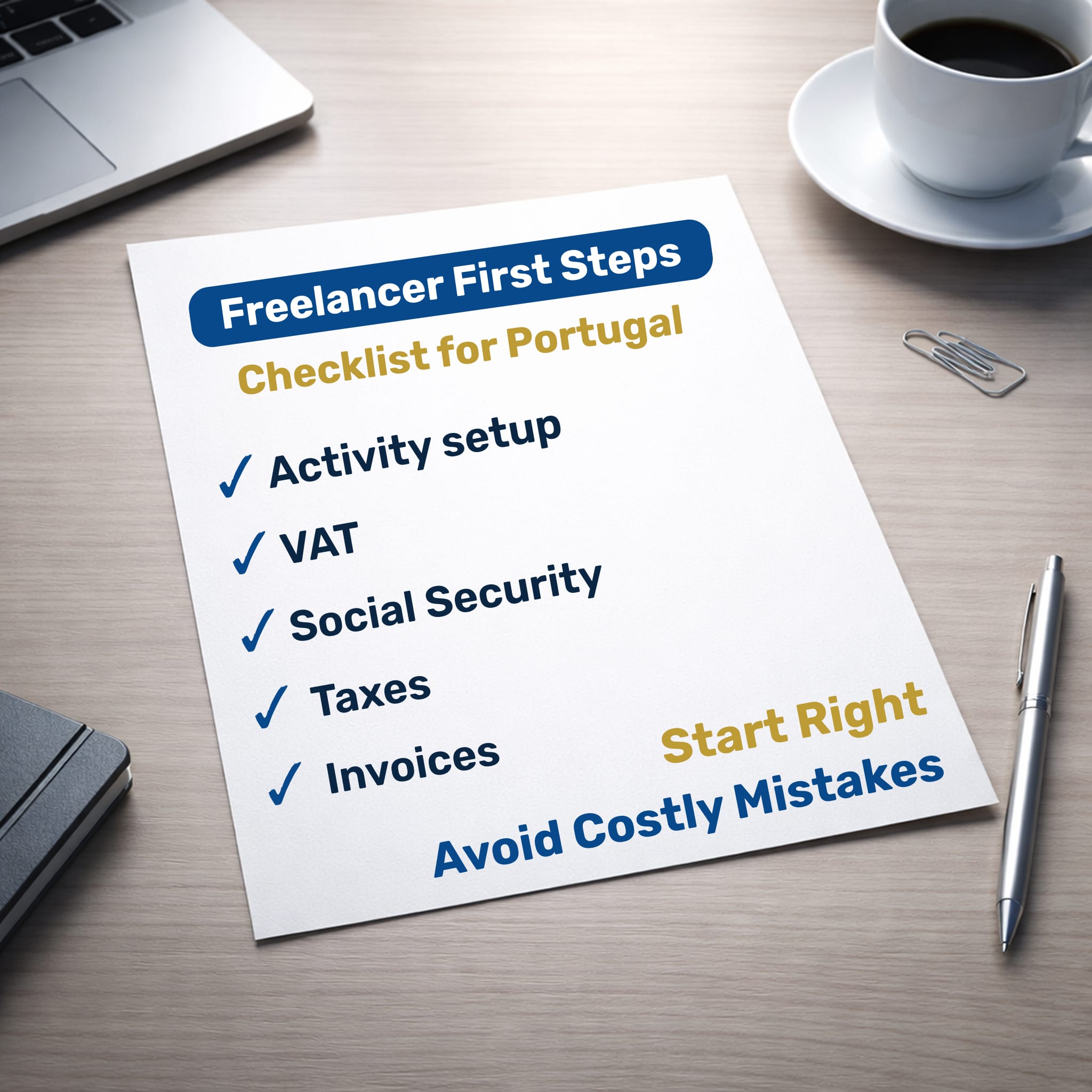
A simple checklist
So, if you have just opened activity, make sure you can answer these questions clearly:
- Was the activity opened correctly?
- Do you know your VAT position?
- Do you understand what may apply for Social Security?
- Are you issuing the right documents correctly?
- Are you setting aside part of your income?
- Are you keeping records of costs and income properly?
- Do you know what your next reporting deadlines are?
You may consider seeking guidance if the answer to several of these is “not really”.
Final thought
Opening activity is easy.
But running it properly is a bit more difficult.
When starting out, you must get the basics right:
- understand your tax position
- correctly set up your activity
- manage your business structure as income grows
That is what keeps things straightforward and efficient.